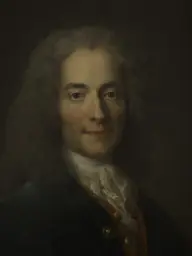
 Voltaire1694 – 1778
“Superstition is to religion what astrology is to astronomy; the mad daughter of a wise mother.”
In Voltaire's voice — an AI reflection
Superstition is the shadow cast by the light of reason when men prefer the comfort of mystery to the labor of understanding. The wise mother, religion in its purest form, seeks truth and virtue, but her wayward child clings to fear and fable. Thus, the daughter distorts the mother’s face until wisdom itself is unrecognizable.
What does this quote mean?
Voltaire’s analogy exposes superstition as a distorted offshoot of genuine religious thought, much like astrology twists the rational foundations of astronomy. The comparison frames superstition not as an independent force but as a degenerate child, born from the same impulse to explain the unknown yet corrupted by fear and ignorance. Here, religion in its purest form seeks understanding and moral guidance, while superstition clings to irrational rituals and baseless fears, undermining the very wisdom it claims to inherit.
This line, often linked to Candide, emerges from Voltaire’s lifelong critique of dogma and fanaticism during the Enlightenment. In an era when institutional religion often stifled reason, he used satire and aphorisms to champion skepticism and tolerance. Candide itself mocks blind optimism and the hypocrisy of religious figures, while works like the Philosophical Dictionary dissect superstitions with surgical precision. Voltaire’s own experiences—his clashes with the Catholic Church, his exile in England where he admired religious pluralism—shaped his view of religion as a potential force for good only when stripped of its irrational excesses.
For modern readers, especially parents, the quote offers a practical lens: nurture curiosity over fear in children. Instead of teaching them to fear the dark or unlucky numbers, guide them to question and explore. Superstition thrives in uncertainty, so the antidote is critical thinking—encouraging kids to ask why, to test ideas, and to trust evidence over hearsay. In a world rife with pseudoscience and conspiracy theories, Voltaire’s wisdom reminds us that the "mad daughter" flourishes when the "wise mother" is neglected. The challenge is to raise children who honor the spirit of inquiry that true religion and science share, rather than the irrational shadows they cast.
Frequently asked questions
Who said “Superstition is to religion what astrology is to astronomy…”?
“Superstition is to religion what astrology is to astronomy…” is by Voltaire.
More quotes by Voltaire
Which philosopher are you?
Six questions. No wrong answers.
Keep Voltaire in your pocket
Sagius is free to download and gives you 5 free credits, +5 when you sign up, to try the AI features — chat with Voltaire and other great philosophers, and have any quote explained with the meaning behind it.