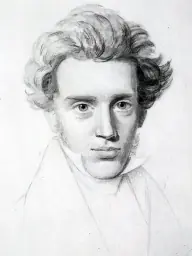
 Søren Kierkegaard1813 – 1855
“Purity of heart is to will one thing.”
In Søren Kierkegaard's voice — an AI reflection
Purity of heart is not the absence of desire but the singleness of it, the deep alignment of the soul toward what is truly worthy. To will one thing is to strip away the distractions that fragment us, to choose the eternal over the fleeting. It is the quiet courage to stand before God with an undivided heart, like a knight of faith who stakes everything on the invisible. In that clarity, we find not constraint but the truest freedom.
What does this quote mean?
A life of scattered desires often leaves us feeling hollow, but Kierkegaard’s insight cuts through the noise: true integrity lies in singular devotion. To will one thing is not about narrowness but about clarity, a focused commitment that aligns action with conviction. This purity of heart demands stripping away the distractions and half-hearted pursuits that dilute our existence, leaving only what truly matters.
Kierkegaard wrote these words during a period of intense personal and philosophical struggle in 19th-century Copenhagen, where the tension between faith and reason dominated his thought. His works like Either/Or and Fear and Trembling explore the individual’s journey toward authenticity, often through leap-like acts of faith that defy rational calculation. The phrase itself appears in Purity of Heart Is to Will One Thing, a devotional work published posthumously, reflecting his belief that spiritual wholeness requires an unwavering dedication to a single, transcendent purpose—often, for him, a religious calling.
In a modern world overflowing with choices and distractions, this idea offers a radical simplicity. Instead of chasing endless goals, one might ask: what is the one thing that gives my life meaning? Whether it’s a creative passion, a moral cause, or a personal relationship, committing to it wholeheartedly can bring a sense of coherence amidst chaos. The challenge lies in resisting the pull of superficial diversions and having the courage to prioritize depth over breadth, a discipline as rare as it is rewarding.
Frequently asked questions
Who said “Purity of heart is to will one thing.”?
“Purity of heart is to will one thing.” is by Søren Kierkegaard.
More quotes by Søren Kierkegaard
Which philosopher are you?
Six questions. No wrong answers.
Keep Søren Kierkegaard in your pocket
Sagius is free to download and gives you 5 free credits, +5 when you sign up, to try the AI features — chat with Søren Kierkegaard and other great philosophers, and have any quote explained with the meaning behind it.