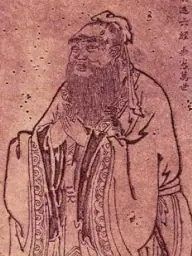
 Confucio551 a. C. – 479 a. C.
“Con arroz basto para comer, con agua para beber y mi brazo doblado por almohada, aún tengo alegría en medio de todas estas cosas.”
En la voz de Confucio — una reflexión generada por IA
La verdadera riqueza no está en lo que poseemos, sino en la paz que cultivamos dentro de nosotros. Un corazón sereno encuentra contento incluso en la sencillez más humilde. La alegría nace cuando dejamos de anhelar lo superfluo y abrazamos lo esencial.
¿Qué significa esta cita?
La sencillez como fuente de alegría es un ideal que trasciende el tiempo. La frase de Confucio no celebra la austeridad por sí misma, sino la capacidad de encontrar satisfacción en lo esencial, liberándose de las ataduras materiales que nublan el espíritu. No se trata de conformismo, sino de una elección consciente: el gozo surge cuando el corazón no depende de lo superfluo para sentirse pleno.
Confucio vivió en una China fragmentada por conflictos políticos y sociales durante el período de Primaveras y Otoños (770-476 a.C.), donde la inestabilidad material era común. En las Analectas, su obra central, recopila diálogos y reflexiones que buscan guiar al individuo hacia la armonía moral y el buen gobierno. Este pasaje, en particular, refleja su énfasis en la virtud por encima de la riqueza, una idea recurrente en su pensamiento. Para él, la verdadera nobleza no estaba en el lujo, sino en la integridad y la moderación, valores que también impregnan otros textos clásicos como La Gran Enseñanza, donde se vincula la paz interior con el orden social.
Hoy, en medio del consumismo desmedido, esta idea invita a reevaluar nuestras prioridades. No se propone vivir en la indigencia, sino a cultivar la gratitud por lo que ya se tiene: un plato de comida, un techo, la salud. Pequeños gestos, como disfrutar una comida sencilla sin distracciones o valorar el silencio de un momento de descanso, pueden ser ejercicios prácticos de esta filosofía. La alegría no está en acumular, sino en reconocer que lo esencial ya basta para ser feliz.
Preguntas frecuentes
¿Quién dijo «Con arroz basto para comer, con agua para beber y mi brazo…»?
«Con arroz basto para comer, con agua para beber y mi brazo…» es de Confucio.
Más citas de Confucio
¿Qué filósofo eres?
Seis preguntas. Ninguna respuesta incorrecta.
Lleva a Confucio en tu bolsillo
Sagius es gratis y te da 5 créditos, +5 al registrarte, para probar las funciones de IA — conversa con Confucio y otros grandes filósofos, y recibe la explicación de cualquier cita con el significado detrás de ella.