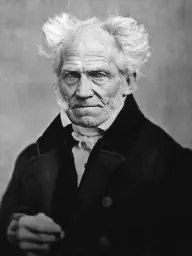
 Arthur Schopenhauer1788 – 1860
“Les deux ennemis du bonheur humain sont la douleur et l'ennui.”
Dans la voix de Arthur Schopenhauer — une réflexion générée par IA
La vie oscille entre ces deux écueils comme un pendule implacable. La douleur nous arrache à l'indifférence, tandis que l'ennui, ce vide insidieux, nous rappelle que le désir apaisé n'est qu'un désert. Le bonheur n'est qu'un bref instant où l'on échappe à l'un sans tomber dans l'autre.
Que signifie cette citation ?
L’existence oscille entre ces deux écueils, l’un aigu comme une blessure, l’autre sournois comme une marée basse qui révèle le fond vide de nos journées. Schopenhauer résume ainsi la condition humaine : tantôt nous luttons contre la souffrance, tantôt nous cherchons désespérément à échapper à l’ennui, ce vide qui nous guette dès que le désir se tait. Le bonheur, dans cette perspective, n’est qu’un équilibre précaire, un instant suspendu entre ces deux forces opposées qui menacent sans cesse de nous submerger.
Pour le philosophe allemand, cette vision s’enracine dans sa métaphysique de la Volonté, exposée notamment dans Le Monde comme volonté et comme représentation. Selon lui, la Volonté, principe aveugle et insatiable, nous pousse sans répit vers de nouveaux objets de désir, source inépuisable de douleurs lorsqu’ils nous échappent ou nous déçoivent. Mais une fois ces désirs assouvis, l’ennui surgit, révélant l’absurdité d’une existence dépourvue de but ultime. Les Parerga et Paralipomena approfondissent cette idée : l’homme, condamné à alterner entre ces deux maux, ne peut espérer qu’une tranquillité relative, fruit d’une sagesse résignée. Schopenhauer, marqué par le pessimisme romantique de son époque, y voit la preuve que le bonheur durable relève de l’illusion.
Comment alors naviguer entre ces deux récifs dans notre quotidien ? En cultivant d’abord la modération des désirs, pour atténuer les déceptions et les souffrances qu’ils engendrent. Ensuite, en transformant l’ennui en opportunité : lire, créer, méditer ou simplement observer le monde avec curiosité permet de combler ce vide sans tomber dans l’agitation stérile. Schopenhauer lui-même prônait l’art et la contemplation esthétique comme refuges temporaires. Aujourd’hui, dans un monde où l’hyperstimulation numérique masquerait presque l’ennui, cette idée nous rappelle que le vrai défi n’est pas de fuir à tout prix, mais d’apprendre à habiter ces moments de calme sans les craindre. Le bonheur, peut-être, se niche dans cette lucidité sereine.
Questions fréquentes
Qui a dit « Les deux ennemis du bonheur humain sont la douleur et… » ?
« Les deux ennemis du bonheur humain sont la douleur et… » est de Arthur Schopenhauer.
Plus de citations de Arthur Schopenhauer
Quel philosophe êtes-vous ?
Six questions. Aucune mauvaise réponse.
Gardez Arthur Schopenhauer dans votre poche
Sagius est gratuit et vous offre 5 crédits, +5 à l'inscription, pour essayer les fonctions IA — discutez avec Arthur Schopenhauer et d'autres grands philosophes, et faites-vous expliquer chaque citation et le sens qui la sous-tend.