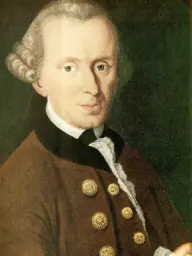
 Immanuel Kant1724 – 1804
“Aja apenas segundo aquela máxima pela qual você pode, ao mesmo tempo, querer que ela se torne uma lei universal.”
Na voz de Immanuel Kant — uma reflexão gerada por IA
Quando digo isso, peço que você olhe para suas ações como se elas fossem um espelho para toda a humanidade. Não é sobre seguir regras cegas, mas sobre agir de tal forma que, se todos fizessem o mesmo, o mundo seria mais justo. A moral não é um fardo, mas a liberdade de escolher o que é correto por sua própria natureza.
O que significa esta citação?
O imperativo categórico de Kant não é um simples conselho moral, mas um princípio que exige coerência radical entre nossas ações e os valores que professamos. A ideia é que, antes de agir, devemos nos perguntar se a regra que guiaria nossa conduta poderia, sem contradição, ser adotada por todos. Não se trata de seguir normas externas, mas de submeter nossas intenções a um teste de universalidade, como se cada escolha fosse um projeto de lei para a humanidade.
Essa formulação aparece em Fundamentação da Metafísica dos Costumes, obra central do iluminismo alemão, quando Kant buscava fundamentar a ética na razão, não em dogmas religiosos ou em consequências práticas. No século XVIII, em que a moral ainda se misturava a tradições ou a cálculos de interesse, o filósofo propôs que a autonomia do indivíduo — sua capacidade de legislar para si mesmo — fosse o alicerce da dignidade humana. A Crítica da Razão Pura explorava os limites do conhecimento, mas foi na ética que Kant aplicou sua revolução copernicana: o homem como fim, nunca como meio.
Hoje, esse princípio ganha vida em situações cotidianas: ao mentir para evitar um constrangimento, perguntamos se um mundo onde todos mentissem seria viável; ao sonegar impostos, imaginamos as consequências se todos fizessem o mesmo. A coragem aqui está em assumir a responsabilidade de nossas máximas, mesmo quando a conveniência pede exceções. Não é uma ética de heróis, mas de consistência — e é justamente nisso que reside seu desafio mais profundo.
Perguntas frequentes
Quem disse “Aja apenas segundo aquela máxima pela qual você pode, ao…”?
“Aja apenas segundo aquela máxima pela qual você pode, ao…” é de Immanuel Kant.
Mais citações de Immanuel Kant
- “Todo nosso conhecimento começa com os sentidos, passa então para o entendimento e termina com a razão. Não há outra fonte.”
- “Não há possibilidade de pensar em nada no mundo, ou mesmo fora dele, que possa ser considerado bom sem restrição, exceto uma boa vontade.”
- “A vontade não é nada senão a razão prática.”
Qual filósofo é você?
Seis perguntas. Nenhuma resposta errada.
Leve Immanuel Kant no bolso
O Sagius é gratuito e dá 5 créditos grátis, +5 ao se cadastrar, para você experimentar os recursos de IA — converse com Immanuel Kant e outros grandes filósofos e receba a explicação de qualquer citação com o significado por trás dela.