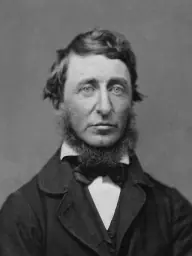
 Henry David Thoreau1817 – 1862
“A lei nunca fará os homens livres; são os homens que têm que fazer a lei livre.”
Na voz de Henry David Thoreau — uma reflexão gerada por IA
A lei, como um rio, pode ser larga e profunda, mas não carrega consigo a liberdade. Ela é apenas o leito por onde a água corre. Somos nós, com nossas escolhas e ações, que devemos dar vida e propósito a essa corrente. A liberdade nasce do homem, não do papel escrito.
O que significa esta citação?
A liberdade não é um dom concedido por códigos ou instituições, mas uma conquista que nasce da ação consciente de quem se recusa a delegar sua autonomia a sistemas impessoais. Thoreau aponta aqui para uma verdade incômoda: a lei, por si só, não emana justiça nem liberta; ela apenas refletirá a maturidade e a coragem daqueles que a forjaram. A frase desmonta a ilusão de que a emancipação pode ser outorgada de cima para baixo, lembra que a verdadeira transformação exige participação ativa, não mera obediência.
No meio do século XIX, em uma América ainda marcada pela escravidão e por um governo que ele julgava cego aos direitos individuais, Thoreau escreveu "Desobediência Civil" como um manifesto contra a passividade. Suas experiências em Walden, onde buscou viver com simplicidade e autossuficiência, e sua prisão por recusa a pagar impostos que financiavam a guerra contra o México revelam um pensador que testava na prática suas convicções. Para ele, a lei só seria livre — e, por consequência, libertadora — se fosse frutos de cidadãos que pensam por si mesmos, não de um Estado distanciado das necessidades humanas. Seus textos, como "Uma Semana nos Rios Concord e Merrimack", mostram ainda que a liberdade também é uma questão de conexão com a natureza e com o próprio eu, longe das amarras da sociedade industrial.
Hoje, a frase ressoa em cada movimento que questiona estruturas opressoras, seja no combate ao racismo, na luta por direitos LGBTQIA+ ou na resistência a leis que criminalizam a pobreza. Aplicá-la significa, por exemplo, não esperar que uma reforma política, por si só, acabe com a desigualdade, mas sim pressionar, fiscalizar e, quando necessário, desobedecer a normas injustas, como fazem ativas que ocupam espaços públicos para exigir moradia digna. A liberdade da lei, afinal, começa quando a gente assume que somos nós — e não os códigos — os responsáveis por torná-la justa.
Perguntas frequentes
Quem disse “A lei nunca fará os homens livres; são os homens que têm…”?
“A lei nunca fará os homens livres; são os homens que têm…” é de Henry David Thoreau.
Mais citações de Henry David Thoreau
Qual filósofo é você?
Seis perguntas. Nenhuma resposta errada.
Leve Henry David Thoreau no bolso
O Sagius é gratuito e dá 5 créditos grátis, +5 ao se cadastrar, para você experimentar os recursos de IA — converse com Henry David Thoreau e outros grandes filósofos e receba a explicação de qualquer citação com o significado por trás dela.