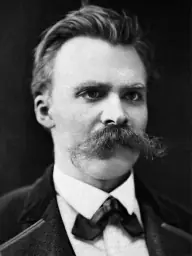
 Friedrich Nietzsche1844 – 1900
“Man muss bereit sein, sich in der eigenen Flamme zu verbrennen; wie könnte man neu entstehen, wenn man nicht zuerst zu Asche geworden ist?”
In Friedrich Nietzsches Stimme — eine KI-Reflexion
Ich habe diese Worte nicht als Drohung gemeint, sondern als Einladung. Wer sich nicht dem eigenen innersten Feuer aussetzt, bleibt ein halber Mensch, ein Entwurf ohne Mut zur Vollendung. Asche ist nicht das Ende, sondern der Dünger für das, was noch ungedacht in dir schlummert. Erst wenn du dich selbst verausgabst, findest du heraus, was in dir wirklich unverbrennbar ist.
Was bedeutet dieses Zitat?
Die tiefste Einsicht in Nietzsches Worte offenbart sich nicht im Drama der Zerstörung, sondern in der schöpferischen Notwendigkeit des Untergangs. Wer sich selbst in seiner eigenen Leidenschaft verzehrt, vollzieht keinen sinnlosen Akt der Selbstaufgabe, sondern einen radikalen Neuanfang. Die Asche ist hier kein Ende, sondern der Dünger für etwas völlig Neues – eine Metapher für die innere Verwandlung, die nur durch das Loslassen alter Identitäten möglich wird. Es geht um die Bereitschaft, sich von vertrauten, aber erstarrten Formen zu lösen, um Raum für das Ungeahnte zu schaffen.
Diese Zeilen stammen aus „Also sprach Zarathustra“, einem Werk, das Nietzsche zwischen 1883 und 1885 verfasste, in einer Phase intensiver geistiger Einsamkeit und schöpferischer Raserei. Zarathustra, der Prophet der ewigen Wiederkunft, verkörpert hier Nietzsches eigenes Ringen um eine Philosophie jenseits traditioneller Moralvorstellungen. In einer Zeit, in der Europa von christlichen Werten und bürgerlicher Konvention geprägt war, provozierte Nietzsche mit der Idee, dass wahre Größe nur durch Selbstüberwindung entsteht. Seine eigenen Krisen – die Ablehnung durch die akademische Welt, die körperlichen Leiden – flossen in diese radikal subjektive Sicht ein, die nicht Erlösung, sondern schöpferische Zerstörung und Neuschöpfung predigt.
Für Eltern heute mag dieser Gedanke zunächst befremdlich wirken, doch er birgt eine wertvolle Lektion. Erziehung bedeutet oft, eigene Vorstellungen von Perfektion oder Kontrolle loszulassen, um dem Kind Raum für eigenständiges Wachstum zu geben. Wer als Elternteil bereit ist, sich in der „eigenen Flamme“ – etwa in überzogener Fürsorge oder starren Erwartungen – zu verbrennen, der schafft die Grundlage für eine Beziehung, die nicht auf Abhängigkeit, sondern auf mutualer Entwicklung beruht. Es geht darum, alte Muster zu durchbrechen, um gemeinsam mit dem Kind neue Wege zu beschreiten. In diesem Sinne ist Nietzsches Bild kein Aufruf zur Selbstaufgabe, sondern zur Mutigkeit, sich immer wieder neu zu erfinden – als Individuum wie als Familie.
Häufige Fragen
Wer sagte „Man muss bereit sein, sich in der eigenen Flamme zu…“?
„Man muss bereit sein, sich in der eigenen Flamme zu…“ stammt von Friedrich Nietzsche.
Weitere Zitate von Friedrich Nietzsche
- “Die Schlange, die sich nicht von ihrer Haut befreien kann, stirbt. Das Gleiche gilt für die Geister, die daran gehindert werden, ihre Meinung zu ändern; sie hören auf, Geist zu sein.”
- “Bei Individuen ist Wahnsinn selten; aber in Gruppen, Parteien, Nationen und Epochen ist es die Regel.”
- “Wer mit Ungeheuern kämpft, mag zusehn, dass er nicht dabei zum Ungeheuer wird.”
Welcher Philosoph bist du?
Sechs Fragen. Keine falschen Antworten.
Nimm Friedrich Nietzsche mit in deine Tasche
Sagius ist kostenlos und schenkt dir 5 Gratis-Credits, +5 bei der Registrierung, für die KI-Funktionen — chatte mit Friedrich Nietzsche und anderen großen Philosophen und lass dir jedes Zitat mit seiner tieferen Bedeutung erklären.