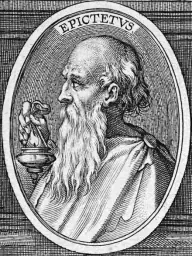
 Epiktet50 – 135
“Sage dir zuerst, was du sein willst; und dann tue, was du tun musst.”
In Epiktets Stimme — eine KI-Reflexion
Zuerst musst du das Ziel klar vor Augen haben, denn ohne ein festes Bild davon, wer du sein willst, irrt dein Handeln nur umher wie ein Schiff ohne Ruder. Dann folgt das Tun, nicht als Last, sondern als natürliche Folge – wie der Bauer, der das Feld bestellt, weil er die Ernte will. Was du bist, zeigt sich nicht in deinen Worten, sondern in dem, was du täglich tust.
Was bedeutet dieses Zitat?
Wahre Klarheit entsteht nicht durch vages Wünschen, sondern durch die bewusste Entscheidung, wer man sein möchte. Epiktets Aufforderung zielt darauf ab, dass wir uns zunächst über unseren Charakter und unsere Ziele im Klaren sein müssen, bevor wir handeln. Es geht nicht um beliebige Vorhaben, sondern um die Ausrichtung des eigenen Lebens an einer innerlich bejahten Haltung – eine Praxis, die im Stoizismus als Grundlage für ein erfülltes Dasein gilt.
Epiktet, ein ehemaliger Sklave und späterer Lehrer der stoischen Philosophie im 1. Jahrhundert nach Christus, entwickelte seine Lehren in den „Unterredungen“ und dem „Handbüchlein der Moral“ als Anleitung zur Selbstbeherrschung. In einer Zeit politischer Unsicherheit und sozialer Abhängigkeiten betonte er, dass wahre Freiheit nicht in äußeren Umständen, sondern in der Kontrolle über die eigenen Gedanken und Handlungen liegt. Seine Worte richten sich an Menschen, die in einer unberechenbaren Welt Halt suchen – nicht durch äußeren Besitz, sondern durch innere Disziplin.
Heute lässt sich dieser Gedanke direkt auf moderne Herausforderungen anwenden. Wer etwa im Berufsleben steht, sollte sich fragen: Will ich jemand sein, der durch kurzfristige Erfolge glänzt, oder jemand, der durch Beständigkeit und Integrität überzeugt? Die Antwort darauf bestimmt, welche Schritte manche dann gehen – ob sie etwa Überstunden in Kauf nehmen, um ein Projekt voranzutreiben, oder ob sie sich Zeit für Weiterbildung nehmen, um langfristig kompetenter zu werden. Epiktets Weisheit erinnert uns daran, dass Handeln nur dann Sinn ergibt, wenn es aus einer klaren Vision des eigenen Wesens erwächst.
Häufige Fragen
Wer sagte „Sage dir zuerst, was du sein willst; und dann tue, was du…“?
„Sage dir zuerst, was du sein willst; und dann tue, was du…“ stammt von Epiktet.
Weitere Zitate von Epiktet
Welcher Philosoph bist du?
Sechs Fragen. Keine falschen Antworten.
Nimm Epiktet mit in deine Tasche
Sagius ist kostenlos und schenkt dir 5 Gratis-Credits, +5 bei der Registrierung, für die KI-Funktionen — chatte mit Epiktet und anderen großen Philosophen und lass dir jedes Zitat mit seiner tieferen Bedeutung erklären.