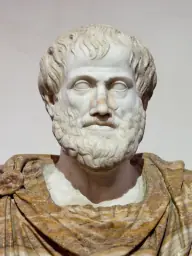
 Aristoteles384 v. Chr. – 322 v. Chr.
“Ohne Freunde würde niemand leben wollen, auch wenn er alle anderen Güter hätte.”
In Aristoteless Stimme — eine KI-Reflexion
Der Mensch ist von Natur aus ein politisches Wesen, und die Freundschaft ist die höchste Blüte dieses Wesens. Sie gibt dem Leben Tiefe, denn sie lässt uns nicht nur Neben-, sondern auch Füreinandersein erfahren. Selbst Reichtum und Macht verlieren ihren Glanz, wenn sie nicht mit einem Herzen geteilt werden können, das uns versteht. In der Freundschaft findet die Seele ihre wahre Heimat.
Was bedeutet dieses Zitat?
Die tiefe Einsicht in die menschliche Natur, die in diesen Worten liegt, offenbart, wie zentral zwischenmenschliche Bindungen für ein erfülltes Leben sind. Aristoteles betont hier nicht nur die Angenehmheit von Freundschaft, sondern ihre Notwendigkeit – selbst ein Leben im Überfluss an Reichtum, Macht oder Gesundheit verlöre ohne echte Verbundenheit seinen Sinn. Es geht nicht um oberflächliche Gesellschaft, sondern um jenen Austausch, der uns als Menschen erst ganz macht: das geteilte Erleben, das gegenseitige Erkennen und die Bestätigung unserer Existenz durch andere.
In der antiken Welt des 4. Jahrhunderts v. Chr., in der Aristoteles seine Nikomachische Ethik verfasste, war Freundschaft kein zufälliges Thema, sondern ein Grundpfeiler der Tugendlehre. Für ihn war sie eine Form der vollkommenen Tugend, die nur zwischen guten Menschen entstehen kann, die sich gegenseitig in ihrem Streben nach dem Guten bestärken. In einer Zeit, in der das politische Leben in der Polis und die philosophische Schule eng verwoben waren, sah er in der Freundschaft sogar eine Grundlage für das Gemeinwohl – eine Idee, die sich auch in seinen Werken zur Politik und Metaphysik widerspiegelt.
Heute, in einer von Digitalisierung und Individualismus geprägten Welt, gewinnt diese Erkenntnis neue Dringlichkeit. Eltern etwa, die ihren Kindern nicht nur materielle Sicherheit, sondern auch echte Freundschaften ermöglichen, legen den Grundstein für ein glückliches Leben. Es geht darum, Räume zu schaffen, in denen echte Begegnungen entstehen – sei es durch gemeinsame Aktivitäten, offene Gespräche oder das bewusste Pflegen von Beziehungen. Denn wie Aristoteles schon erkannte: Alle anderen Güter nützen wenig, wenn das Herz leer bleibt.
Häufige Fragen
Wer sagte „Ohne Freunde würde niemand leben wollen, auch wenn er alle…“?
„Ohne Freunde würde niemand leben wollen, auch wenn er alle…“ stammt von Aristoteles.
Weitere Zitate von Aristoteles
- “Diejenigen, die Kinder gut erziehen, sollten mehr geehrt werden als diejenigen, die sie hervorbringen; denn Letztere haben ihnen nur das Leben gegeben, Erstere die Kunst, gut zu leben.”
- “Die Demokratie ist, wenn die Armen und nicht die Eigentümer die Herrscher sind.”
- “Die Seele denkt nie ohne ein geistiges Bild.”
Welcher Philosoph bist du?
Sechs Fragen. Keine falschen Antworten.
Nimm Aristoteles mit in deine Tasche
Sagius ist kostenlos und schenkt dir 5 Gratis-Credits, +5 bei der Registrierung, für die KI-Funktionen — chatte mit Aristoteles und anderen großen Philosophen und lass dir jedes Zitat mit seiner tieferen Bedeutung erklären.