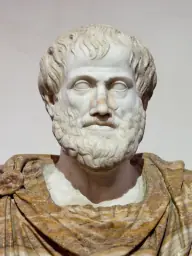
 Aristoteles384 v. Chr. – 322 v. Chr.
“Die Demokratie ist, wenn die Armen und nicht die Eigentümer die Herrscher sind.”
In Aristoteless Stimme — eine KI-Reflexion
Ich habe diese Worte einst geprägt, um zu zeigen, dass wahre Herrschaft nicht aus Besitz, sondern aus der gemeinsamen Stimme derer erwächst, die das Volk bilden. Es geht nicht um den Reichtum in den Händen weniger, sondern um die Macht in den Händen vieler. Denn wo die Armen mitbestimmen, da regiert nicht der Besitz, sondern der Geist der Gleichheit. So wird die Polis gerecht.
Was bedeutet dieses Zitat?
Armut und Reichtum sind für Aristoteles nicht nur wirtschaftliche Kategorien, sondern vor allem politische. Mit seiner pointierten Feststellung, die Demokratie sei die Herrschaft der Armen über die Eigentümer, legte er den Finger auf einen zentralen Konflikt: die Spannung zwischen sozialer Gleichheit und wirtschaftlicher Ungleichheit. Er versteht darunter nicht eine ideale Regierungsform, sondern eine real existierende Dynamik, in der die Mehrzahl derer, die wenig besitzen, die Macht ausübt – und damit potenziell die Interessen der Besitzenden überstimmt. Diese Definition ist kein Lob, sondern eine nüchterne Analyse, die zeigt, wie Machtverhältnisse sich aus dem gesellschaftlichen Gefüge speisen.
In der Antike, insbesondere im Athen des 4. Jahrhunderts v. Chr., war diese Beobachtung hochaktuell. Aristoteles, der in seiner „Politik“ verschiedene Verfassungsformen systematisch untersucht, sieht die Demokratie als eine Entartung der eigentlich erstrebenswerten „Politie“, einer gemäßigteren Herrschaft der vielen zum gemeinen Wohl. Seine Kritik zielt darauf ab, dass in einer reinen Demokratie die Armen ihre numerische Überlegenheit nutzen könnten, um die Reichen zu entrechten – ein Szenario, das er als destabilisierend einstuft. In der „Nikomachischen Ethik“ verbindet er diese politische Reflexion mit seiner Lehre von der Gerechtigkeit: wahre Gerechtigkeit erfordert Ausgleich, nicht die einseitige Dominanz einer Gruppe.
Heute lässt sich diese Einsicht auf moderne Demokratien übertragen, in denen soziale Ungleichheit oft mit politischer Macht einhergeht. Die Frage ist nicht nur, wer formal das Wahlrecht besitzt, sondern wer tatsächlich Einfluss ausübt. Wenn eine Mehrheit von Menschen mit prekärem Einkommen durch kollektive Organisation – etwa Gewerkschaften oder soziale Bewegungen – politische Entscheidungen prägt, kann das als lebendige Demokratie verstanden werden. Gleichzeitig warnt Aristoteles’ Gedanke davor, dass eine einseitige Machtkonzentration, sei es bei Armen oder Reichen, die Balance des Gemeinwohls gefährdet. Die Herausforderung liegt darin, eine Ordnung zu schaffen, in der weder Armut noch Reichtum allein das Sagen haben, sondern ein Ausgleich der Interessen gelingt.
Häufige Fragen
Wer sagte „Die Demokratie ist, wenn die Armen und nicht die Eigentümer…“?
„Die Demokratie ist, wenn die Armen und nicht die Eigentümer…“ stammt von Aristoteles.
Weitere Zitate von Aristoteles
- “Die Seele denkt nie ohne ein geistiges Bild.”
- “Fassen wir nun unsere Ergebnisse über die Seele zusammen und wiederholen wir, dass die Seele gewissermaßen alles Seiende ist; denn das Seiende ist entweder wahrnehmbar oder denkbar, und das Wissen ist gewissermaßen das Wissbare, die Wahrnehmung gewissermaßen das Wahrnehmbare: auf welche Weise, müssen wir untersuchen.”
- “Das glückliche Leben gilt als tugendhaft; ein tugendhaftes Leben aber erfordert Anstrengung und besteht nicht in Zerstreuung.”
Welcher Philosoph bist du?
Sechs Fragen. Keine falschen Antworten.
Nimm Aristoteles mit in deine Tasche
Sagius ist kostenlos und schenkt dir 5 Gratis-Credits, +5 bei der Registrierung, für die KI-Funktionen — chatte mit Aristoteles und anderen großen Philosophen und lass dir jedes Zitat mit seiner tieferen Bedeutung erklären.