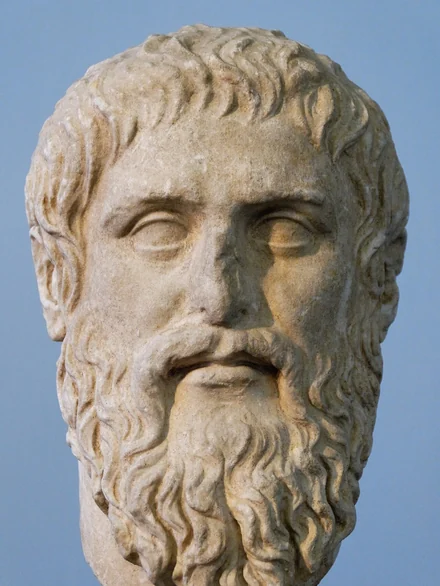
Plato
428 BC – 348 BC
Plato (c. 428–348 BCE) was a student of Socrates and teacher of Aristotle — and arguably the most influential philosopher in Western history. His dialogues explore the nature of justice, beauty, truth, love, and knowledge through the character of Socrates. In The Republic, he proposed a utopian city governed by philosopher-kings, grounded in his Theory of Forms: the idea that the material world is a shadow of eternal, unchanging realities accessible only to reason.
Key works: The Republic · Symposium · Phaedrus · Allegory of the Cave
Top quotes by Plato
“There are two things a person is least willing to share: command and money.”
Read the full explanation →“The man who makes everything that he can reach his own, would be a god, not a man.”
Read the full explanation →“Bodily exercise, when compulsory, does no harm to the body; and when voluntary, becomes a joy.”
Read the full explanation →“The man who makes everything that leads to happiness depends upon himself, and not upon external things, has adopted the very best plan for living happily.”
Read the full explanation →“The soul takes care of all that is inside the body, and treats it as noble, just as a good ruler should treat his subjects.”
Read the full explanation →“There are two things a person should never be angry at: what they can help, and what they cannot help.”
Read the full explanation →“The measure of a man is what he does with power.”
Read the full explanation →“The first and greatest victory is to conquer yourself.”
Read the full explanation →“The greatest blessing granted to mankind comes by way of madness, which is a divine gift.”
Read the full explanation →“The soul takes care of all these and treats them as they need.”
Read the full explanation →
Keep Plato in your pocket
Sagius is free to download and gives you 10 free credits to try the AI features — chat with Plato and other great philosophers, and have any quote explained with the meaning behind it.